80
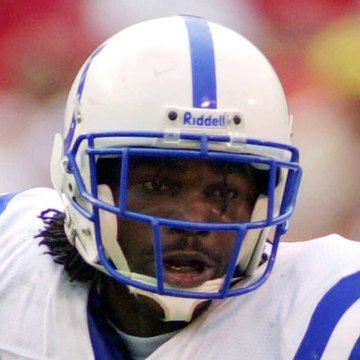 Edgerrin James
Time to hop back into the wayback machine again and re-visit the ancient times known as the 20th century.
Specifically, we're going to party like it's 1999.
As we all hurtled toward the Apocalypse known as "Y2K," a young running back from Miami was joining the Indianapolis Colts. And Edgerrin James didn't waste any time justifying the Colts drafting him fourth overall.
As a rookie, James led the NFL in carries (369). And rushing yards. And total touches (431). And total touchdowns (17). He finished third in Offensive Player of the Year voting, got an MVP vote, topped 370 PPR points and finished second at the position to Marshall Faulk.
As rookie years go, you could do worse.
79
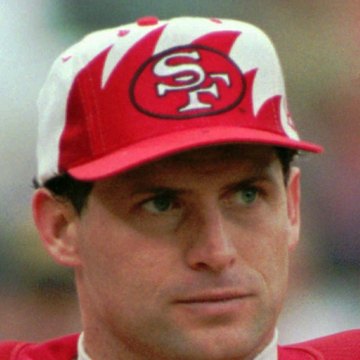 Steve Young
The size. The scrambling ability. The southpaw cannon. There's a reason the San Francisco 49ers closed the book on the Joe Montana era.
That reason was named Steve Young.
The 1994 season was Young's 10th in the NFL—and also arguably his best. He led the league in completion percentage. And touchdown passes. And both yards and air yards per attempt. Young was fourth in the league in passing yards and added seven more touchdowns on the ground on the way to MVP honors and a win over the San Diego Chargers in Super Bowl XXIX.
He also led all quarterbacks in fantasy points that year—and it wasn't close.
78
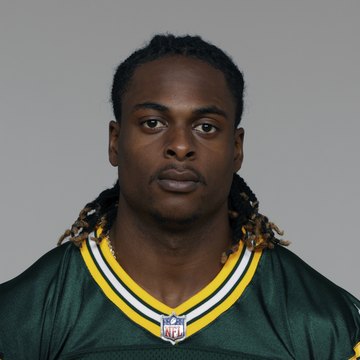 Davante Adams
Davante Adams is still doing damage in the NFL at the age of 33—he led the league with 14 receiving touchdowns in 2025 and was a top-10 fantasy option.
Back in 2020, Adams was in his prime—and it showed.
Despite missing a pair of games, Adams still led the league in touchdown catches and receiving yards per game that season, finishing tied for first in the NFC in catches and third in receiving yards.
Most importantly, despite those two missed games Adams wasn't just the highest-scoring fantasy wideout. He was so by a large margin—almost three PPR points per game better than second-place finisher Tyreek Hill.
77
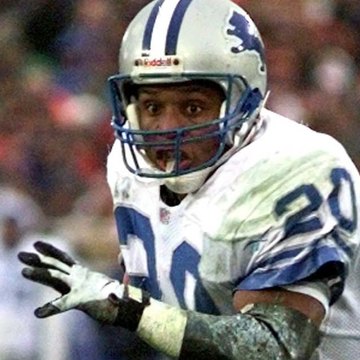 Barry Sanders
There's no way you can have a list like this and not include Barry Sanders. He's one of the greatest running backs to ever lace them up. Full stop.
And in 1997, Sanders joined the 2K club.
That season marked the third time in four years that Sanders led the league in rushing. It was also the third time in his career that Sanders averaged over 100 rushing yards per game. He was never a big threat catching the ball (Sanders caught 33 passes in 1997 and never had 50 receptions in a season), and his overall point total was fairly modest by "modern" standards.
But it's still Barry Sanders. Enough said.
76
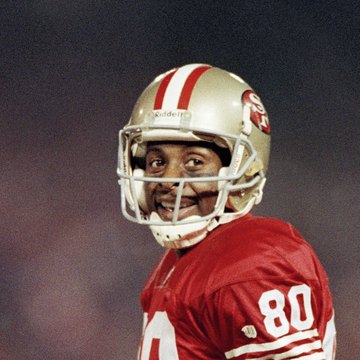 Jerry Rice
There's a legitimate debate to be had about the best quarterback in NFL history. Or the best running back. But the best wide receiver question has been answered—emphatically.
By Jerry Lee Rice.
In 1994, Rice was in the middle of a three-year string of leading the NFL in receiving yards—a feat he accomplished half a dozen times over his career. The best part about that three-year stretch of absolute dominance?
Statistically, this was the worst one of the lot in terms of touchdown catches and receiving yards, and even then he was the No. 1 fantasy wideout by almost three PPR points per game.
He was a baaaaaad man.
Get it? GOAT?
Ha! I kill me!
75
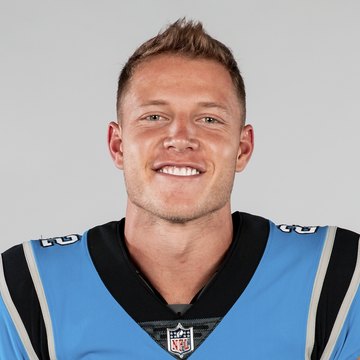 Christian McCaffrey
The eighth overall pick in 2017, Christian McCaffrey was good but not great for the Carolina Panthers as a rookie—he topped 1,000 total yards but did most of his damage as a receiver, averaging just 3.7 yards per carry.
By his second season, McCaffrey was breaking stuff—and well on his way to being one of the most dominant fantasy assets of his generation.
In 2018, McCaffrey went from averaging less than four yards per carry to five yards a pop—top-10 in the league. McCaffrey also finished inside the top-10 in receptions, with 16 more than any other running back.
He fell just shy of being the highest-scoring back in PPR points—a crown he'd claim soon enough.
There would be many more.
74
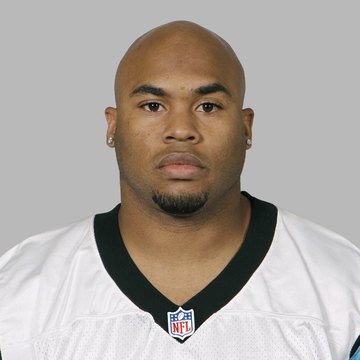 Steve Smith Sr.
In the Super Bowl era, there have been five wide receivers who have won the "Triple Crown" at wide receiver, logging the most receptions, receiving yards and receiving touchdowns in a season.
In 2005, Steve Smith of the Panthers became the third of that quintet.
Technically, Smith tied Larry Fitzgerald of the Cardinals for the most receptions and tied Marvin Harrison of the Colts for the most touchdown grabs. But Smith was the only receiver in the league that season who topped 1,500 receiving yards, and he beat out Fitzgerald for the No. 1 spot among wide receivers in fantasy by over 30 PPR points.
73
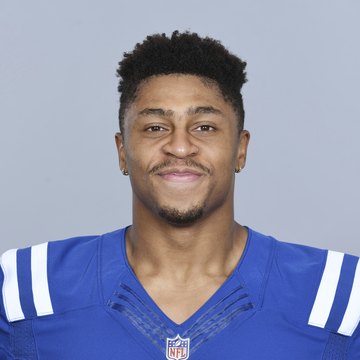 Jonathan Taylor
Indianapolis Colts running back Jonathan Taylor led the league last year in both carries (323) and rushing touchdowns (18). It was a great season.
However, 2021 was the best season of his career.
Taylor led running backs in just about every category that season. He had a league-high 332 carries, averaged 106.5 rushing yards per game, paced the league in rushing touchdowns and led the NFL with 2,171 total yards and 20 total scores.
Unfortunately, while Taylor led all running backs in PPR points that year, his 372 touches put him in the crosshairs of "The Curse of 370," and he wound up missing half a dozen games in 2022.
72
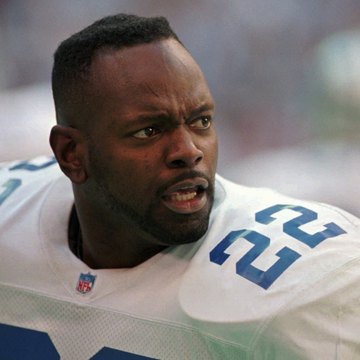 Emmitt Smith
In the history of the NFL, no running back has more yards on the ground than Emmitt Smith. Or more rushing touchdowns. Or more carries or total touches. He was the ultimate "workhorse" back—a player I saw shred an NFL defense on a staggering 42 touches with one arm.
No, really—it happened.
That epic performance was still a little ways off in 1992—Smith's third year in the NFL. It's the season when he truly arrived. It was the second of four times Smith led the league in rushing. The first of three times he rushed for at least 18 scores. And the first time he led all running backs in PPR points.
71
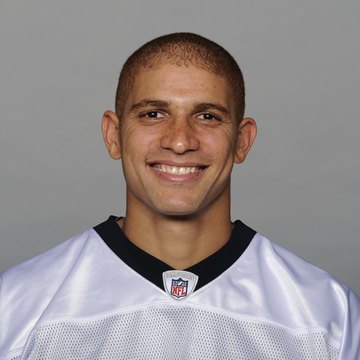 Jimmy Graham
The tight end position in fantasy football has long been tricky. Many years, there are two camps—the "haves" and the "have-nots." Far more often than not, the latter camp is bigger than the former.
But back in 2011, fantasy managers who drafted Jimmy Graham late were having all over the place.
A third-round pick in 2010, Graham was mostly a non-factor as a rookie. In his second season, he was a league-winner—Graham led all tight ends in targets and receptions on the way to a second-place finish in PPR points behind Rob Gronkowski.
And he did so as a low-end TE1 available multiple rounds later than Gronkzilla.